Amazon Nova: How It Stands Against DALL·E, Gemini, and Grok
Amazon Nova is a suite of advanced generative AI models developed by Amazon Web Services (AWS), enabling users to create high-quality images, videos, and other multimedia content from text or image prompts. While tools like DALL·E, Gemini, and Grok have been leading the generative AI space, Amazon Nova brings a unique set of capabilities tailored to AWS users, focusing on powerful image and video creation and manipulation.
When compared to DALL·E by OpenAI, which has made significant strides in generating high-quality images from text prompts, Amazon Nova offers similar functionality but is more tightly integrated with AWS services like Amazon Bedrock. This makes it an attractive option for AWS users already familiar with Amazon’s ecosystem. Nova offers Amazon Nova Canvas, which enables users to not only generate images but also refine them through editing tools, like color adjustments and layout customization. DALL·E, while highly capable, doesn’t offer the same level of control or integration within a cloud ecosystem like AWS, which might make Nova a better option for businesses already using AWS infrastructure.
Google’s Gemini is another major player in the generative AI space, offering a suite of capabilities for text, image, and video generation. Similar to Nova, Gemini allows for the creation of detailed images from textual descriptions. However, Nova’s advantage lies in its extended support for video generation with Amazon Nova Reel, allowing users to create high-quality videos with detailed controls over style, pacing, and camera movements. While Gemini excels in AI-driven conversation and content generation, Nova’s comprehensive suite of tools may appeal to users needing multi-format outputs like text, image, and video in a single workflow, especially when working in AWS environments.
Grok, developed by xAI, focuses on conversational AI, enabling intelligent chats and interactions, particularly in customer support and interactive applications. However, Grok doesn’t focus on multimedia generation like images and videos. If your business requires advanced content creation, particularly for visual and video content, Nova’s combination of image and video generation could offer a more specialized and robust solution compared to Grok’s more conversationally-driven focus.
Given these comparisons, is there a real need to look beyond DALL·E, Gemini, and Grok and explore Amazon Nova? For businesses already leveraging AWS services, Nova’s deep integration into the AWS ecosystem makes it a natural choice. Nova provides not only powerful AI tools but also seamless scalability, real-time processing, and the ability to integrate with other AWS offerings, such as cloud storage and data analytics. If your business needs powerful generative AI tools for multimedia content alongside the flexibility and infrastructure of AWS, Nova is a highly competitive option.
If you’d like to learn more about how AI can help you grow, consider attending a Nimbull AI Training Day or reach out for AI Consulting services.
Introduction
Competitor Comparison
| Tool | Strengths |
|---|---|
| Amazon Nova | Tight AWS integration, cost efficiency, enterprise security, multimodal models |
| OpenAI GPT 4o | Strong reasoning, large ecosystem, advanced multimodal output |
| Anthropic Claude | Long context handling, safety focused design |
| Google Gemini | Native Google Cloud integration, strong multimodal research roots |
| Meta Llama | Open model access, on premise deployment flexibility |
| Cohere Command | Business focused language tasks, strong retrieval use cases |
Pricing & User Base
At the time of writing, Amazon Nova follows a usage based pricing model through AWS Bedrock.
Costs depend on model type, input tokens, output tokens, and modality such as text or image. Public pricing starts at a lower per token rate than many competing proprietary models.
Amazon does not publish official user numbers. Adoption spans thousands of AWS customers across finance, retail, SaaS, and media.
Difficulty Level
Ease of Use: Medium
Amazon Nova fits teams already familiar with AWS services and cloud infrastructure.
Use Case Example
A SaaS company wants to add an AI support assistant trained on internal documentation and product manuals. Amazon Nova supports this workflow through AWS Bedrock and related services.
We can start the build using this sentence:
“I want to create an internal and customer facing AI support assistant for product support and onboarding. Write down the steps I need to take and structure them in a clear implementation plan.”
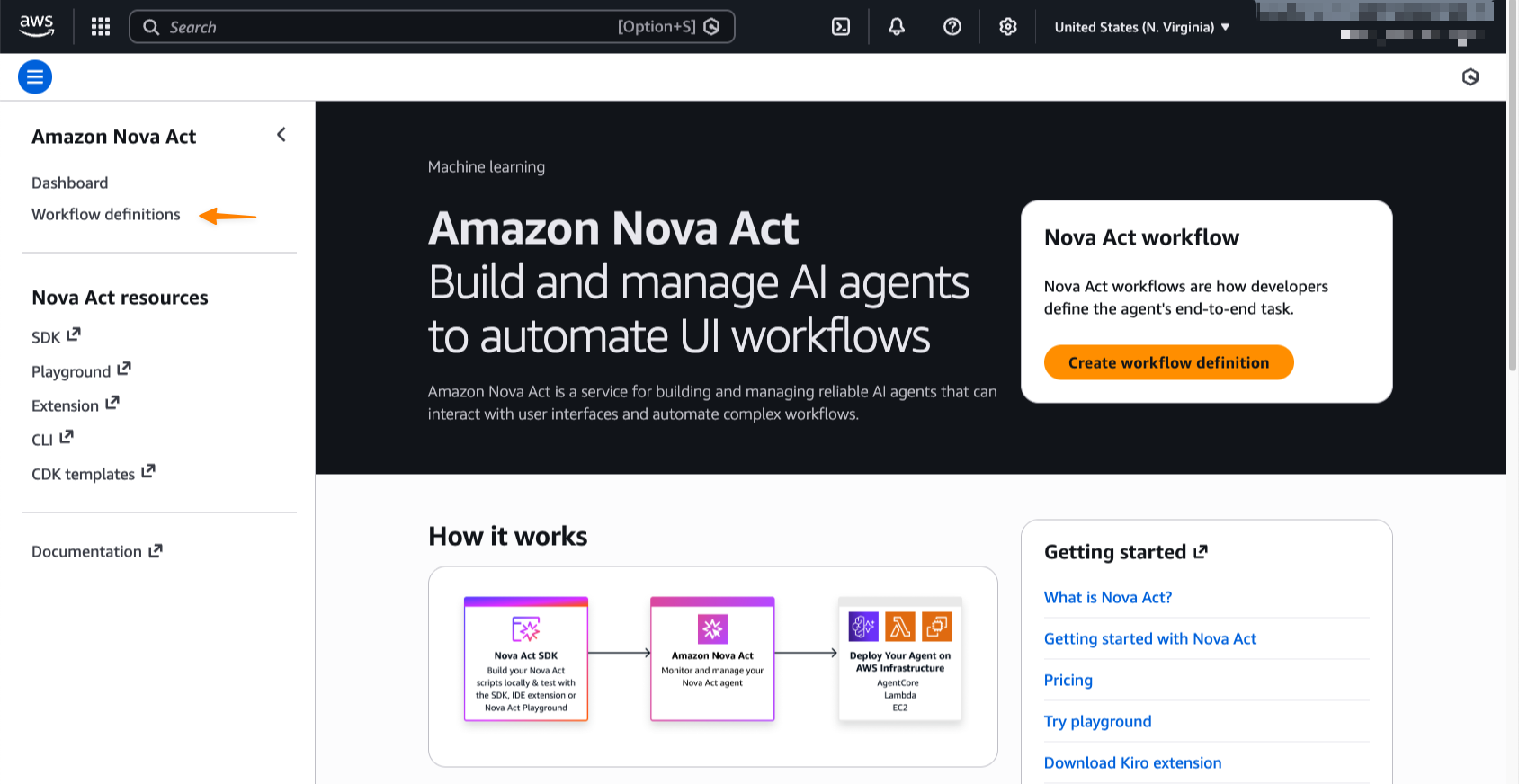
To prepare the data using this sentence:
“I want you to organise and ingest PDFs, markdown files, and help articles stored in Amazon S3. Index this content using Amazon Knowledge Bases so the assistant can retrieve accurate answers.”
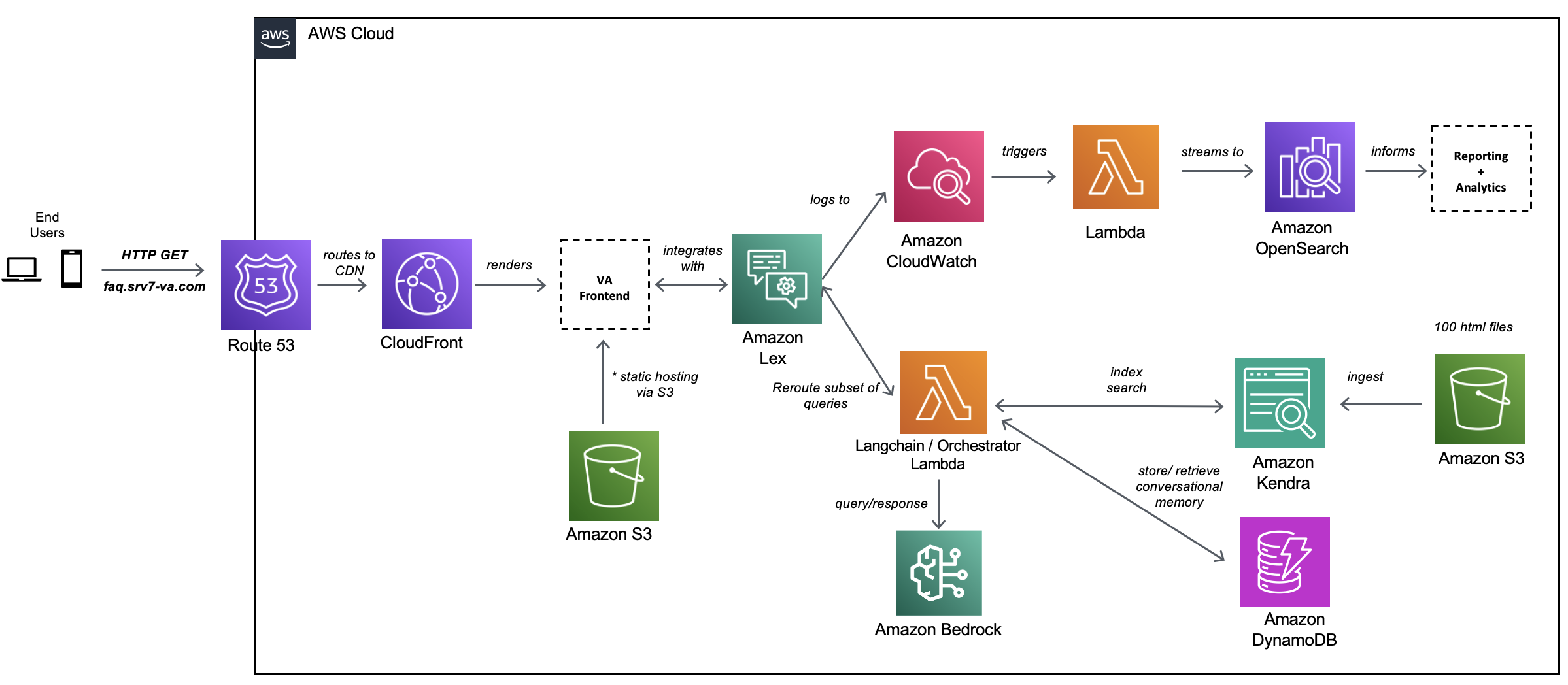
We can select the model using this sentence:
“I want you to choose an Amazon Nova text model inside AWS Bedrock that balances cost efficiency with response quality for support use cases.”
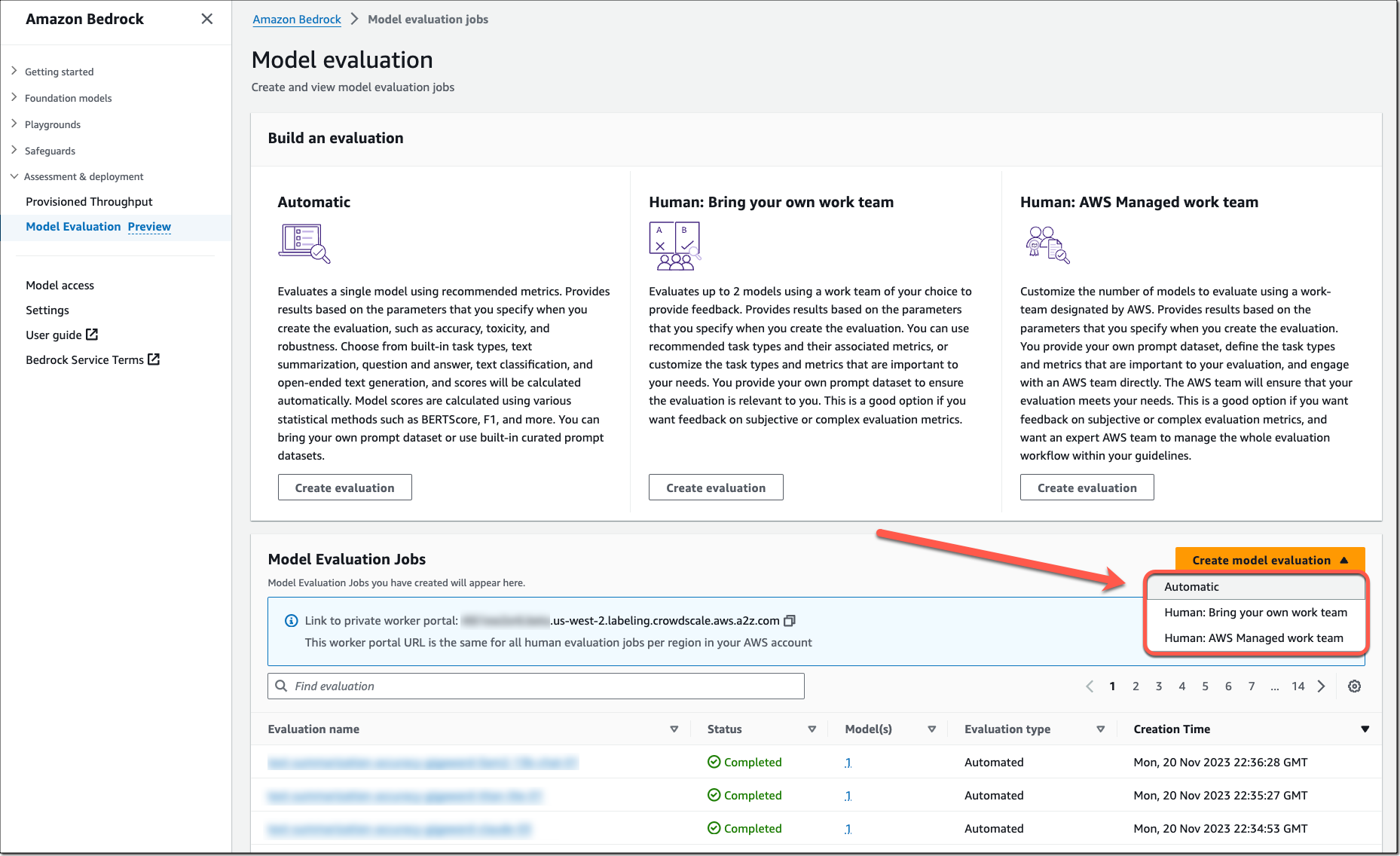
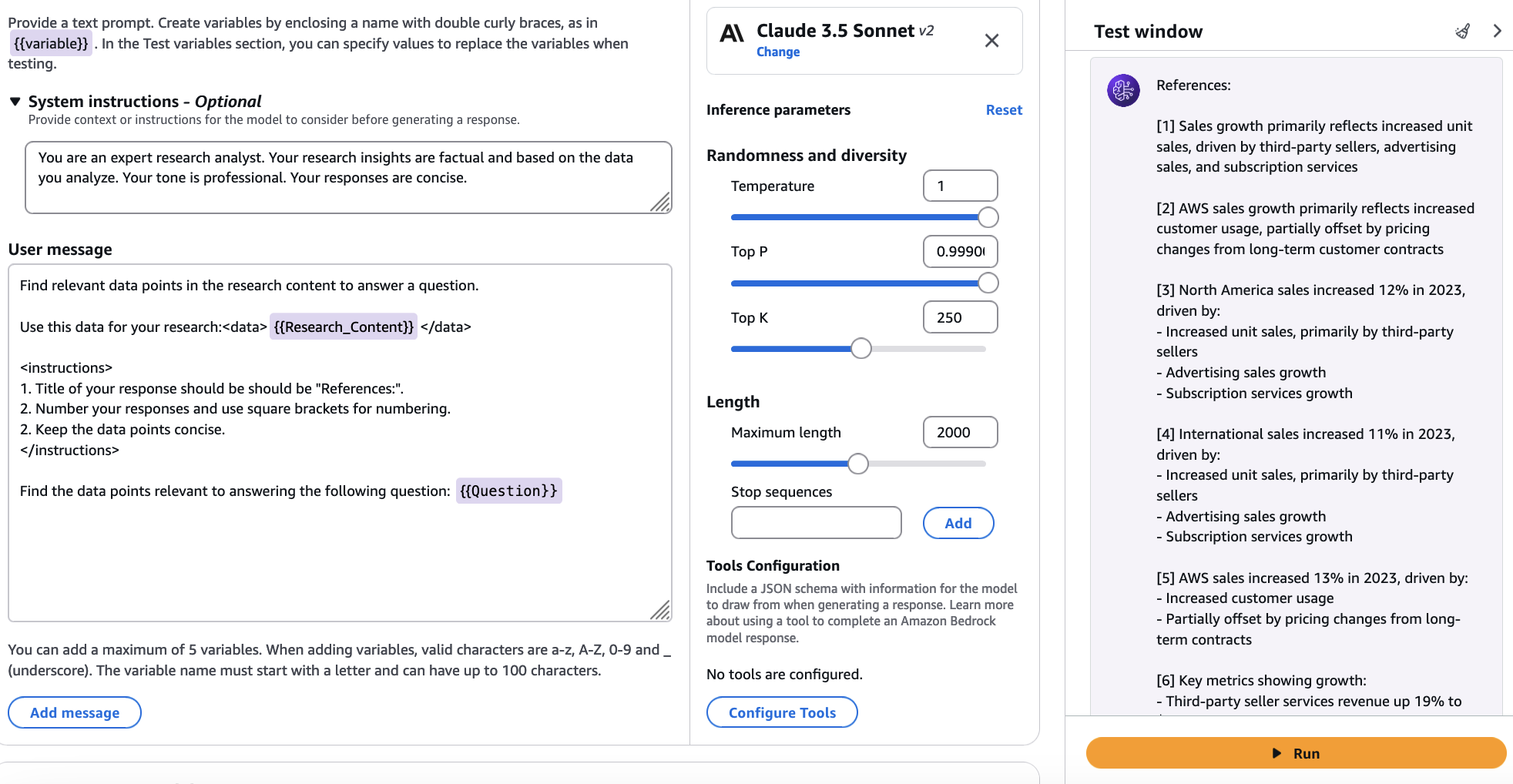
We can define the assistant behaviour using this sentence:
“You are a product support assistant. Answer questions using only the provided knowledge base. Respond in clear steps and short paragraphs.”
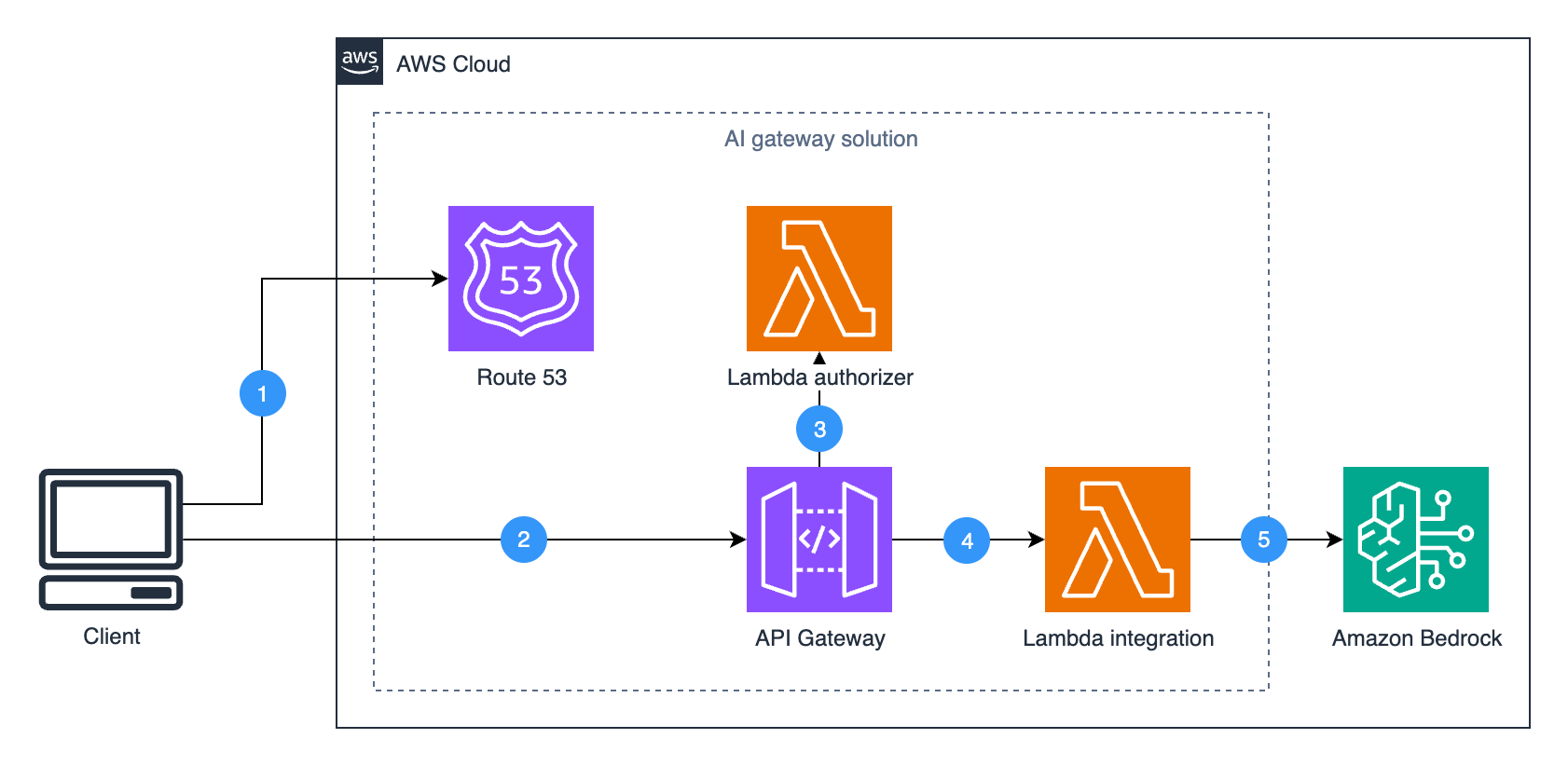
We can connect the application backend using this sentence:
“I want you to connect the backend service to the Amazon Nova model endpoint using the AWS SDK and expose the responses through an API.”
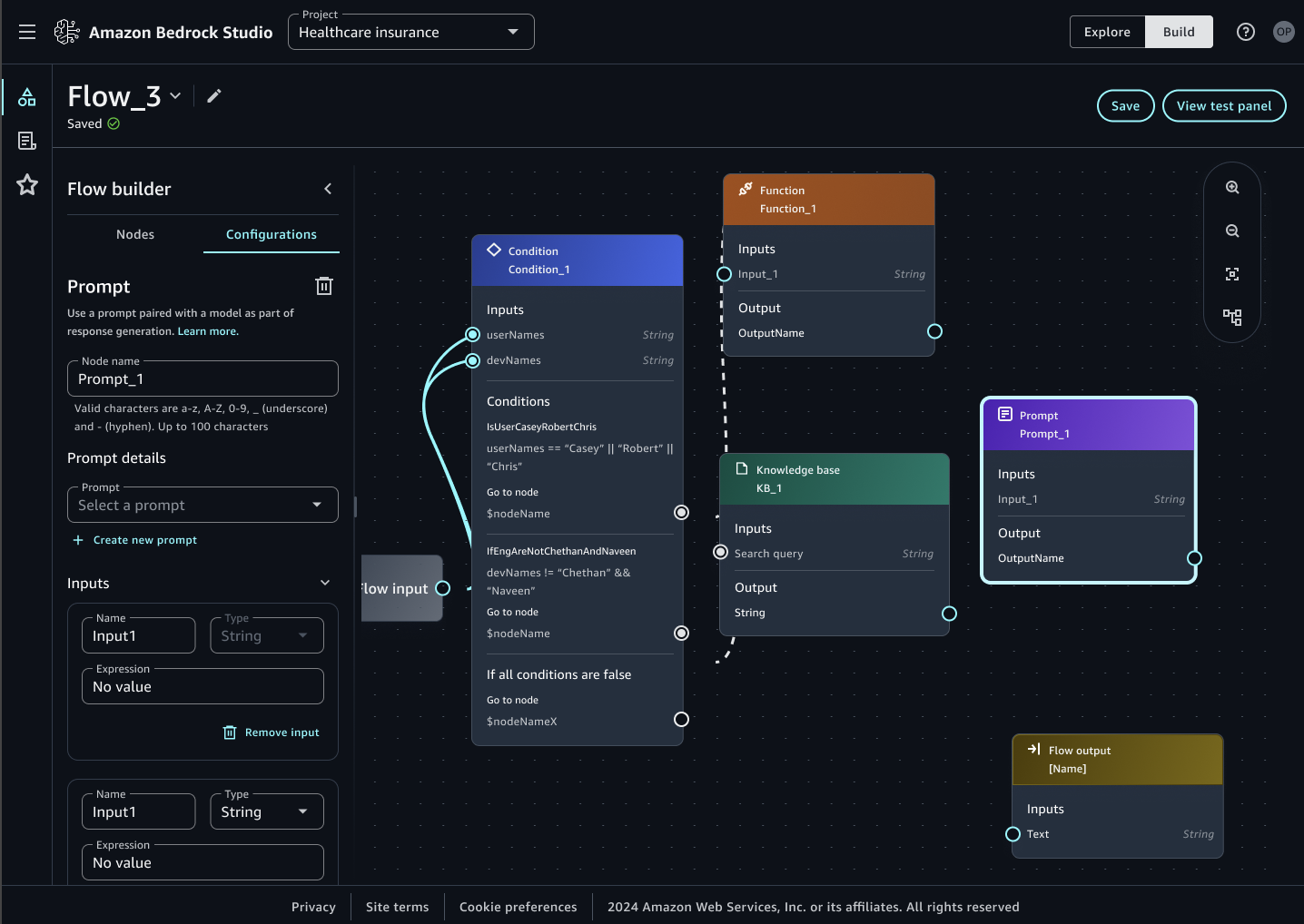
We can test and refine responses using this sentence:
“I want you to test the assistant, review response accuracy, refine prompts, and add guardrails for tone, safety, and consistency.”
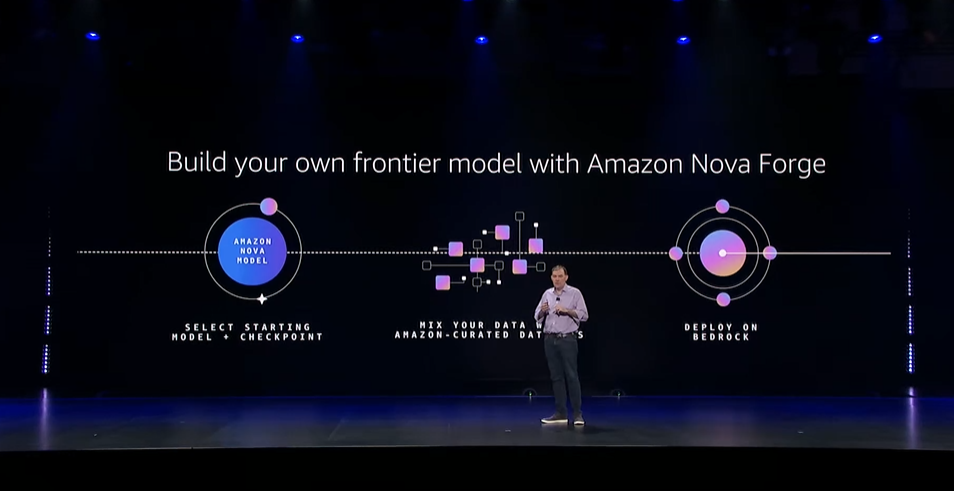
We can prepare the system for deployment using this sentence:
“I want you to deploy the assistant inside the web app and internal dashboards using AWS infrastructure and make it production ready.”
This allows teams to ship AI powered support features faster, improve response consistency, and reduce manual support workload.
Pros and Cons
Pros
- Strong integration with AWS services
- Lower cost at scale compared to many proprietary models
- Enterprise grade security and compliance support
- Text, image, and multimodal model options
Cons
- AWS knowledge required for smooth setup
- Smaller public community than OpenAI based tools
- Limited visibility into model training data
- Less plug and play for non technical teams
Integration & Compatibility
Amazon Nova integrates directly with AWS Bedrock, S3, Lambda, API Gateway, and IAM
The platform fits businesses already running workloads on AWS
SDK support covers Python, JavaScript, Java, and other common backend languages
Support & Resources
Detailed AWS documentation and reference guides
Architecture examples and sample code
AWS support plans for enterprise customers
If you want to explore how AI can accelerate your growth, consider joining a Nimbull AI Training Day or reach out for personalised AI Consulting services.