NoVacancy Sydney wrapped up this week, bringing together hotel owners, operators, revenue managers and suppliers across two days of summits and a packed expo floor. Sessions ran across the Hotel Marketing Summit, the Revenue + Distribution Summit, the Hotel Leaders Summit, the Sustainable Hotel Summit and Design Talks.
The floor: one third software, two thirds infrastructure
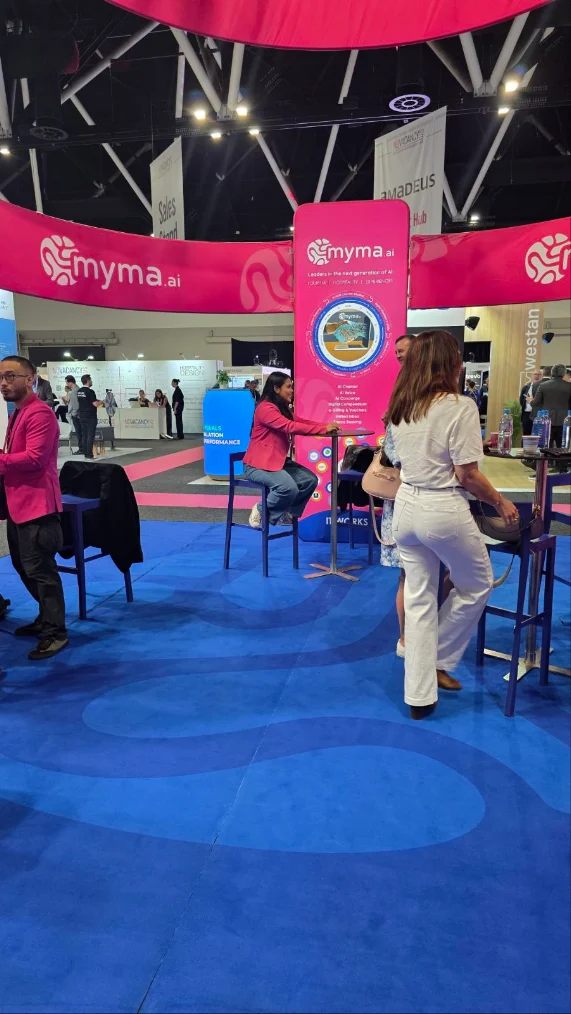
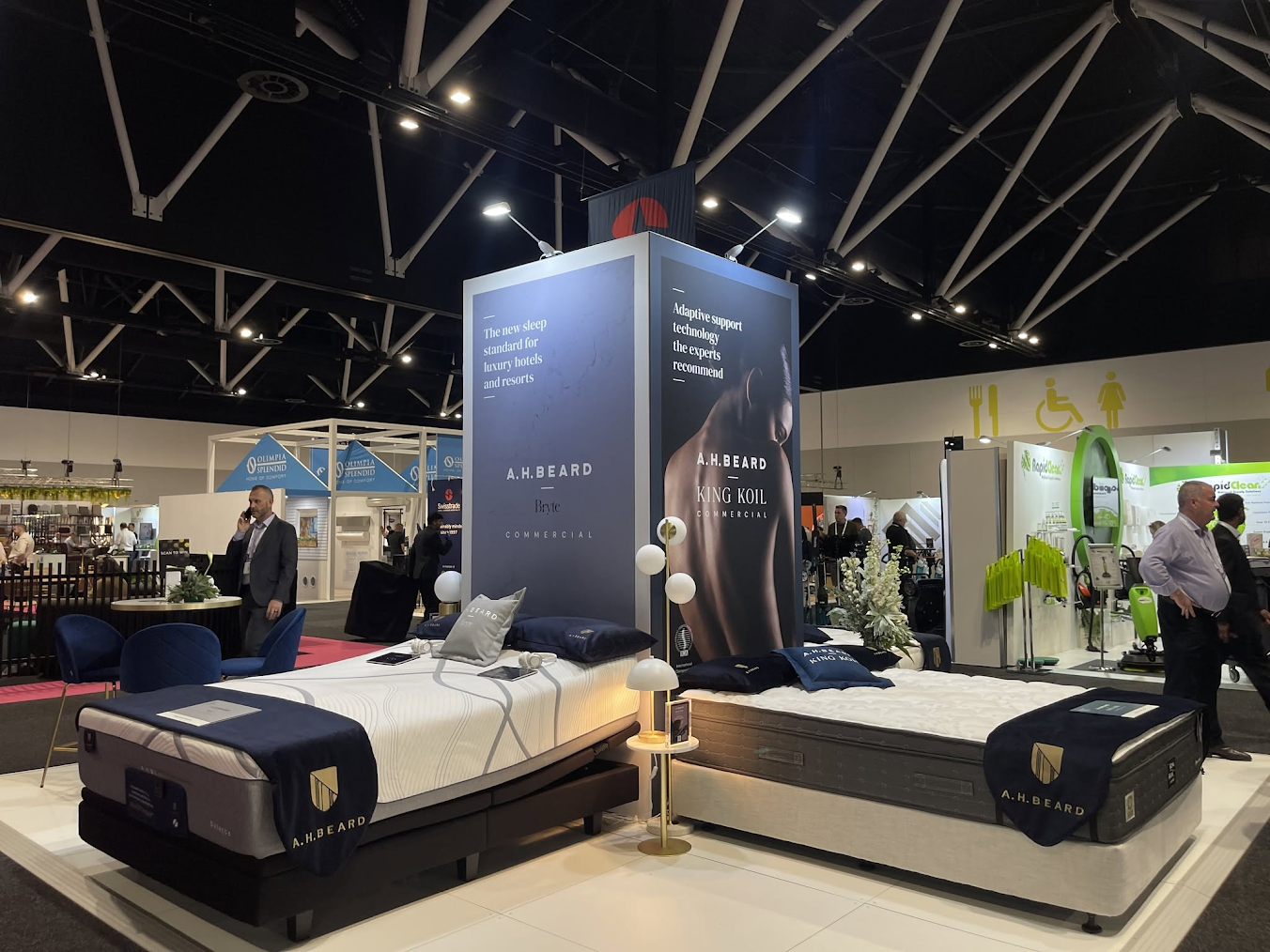
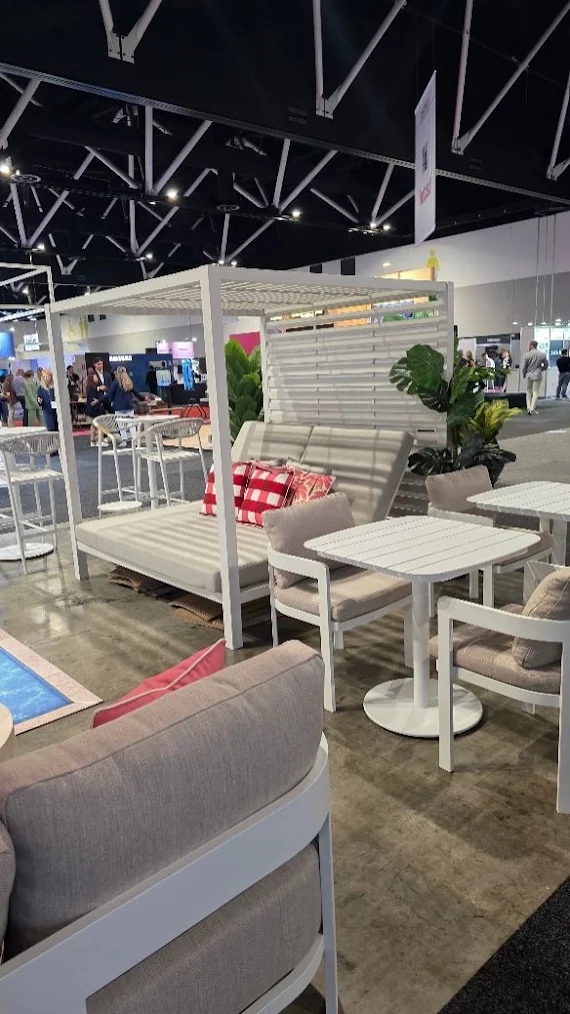
Roughly a third of exhibitors were software, SaaS and process tools. The other two thirds were physical infrastructure: fold-out beds, smart locks, linen, furniture, artificial plants, amenities and fit-out.
Each of them does its own job well. What we didn’t see was anyone owning the space between them: how data moves from the PMS to the rate tool to the owner’s weekly report, or who answers the group enquiry that arrives by email on a Friday night.
Growth is coming from rate, not occupancy
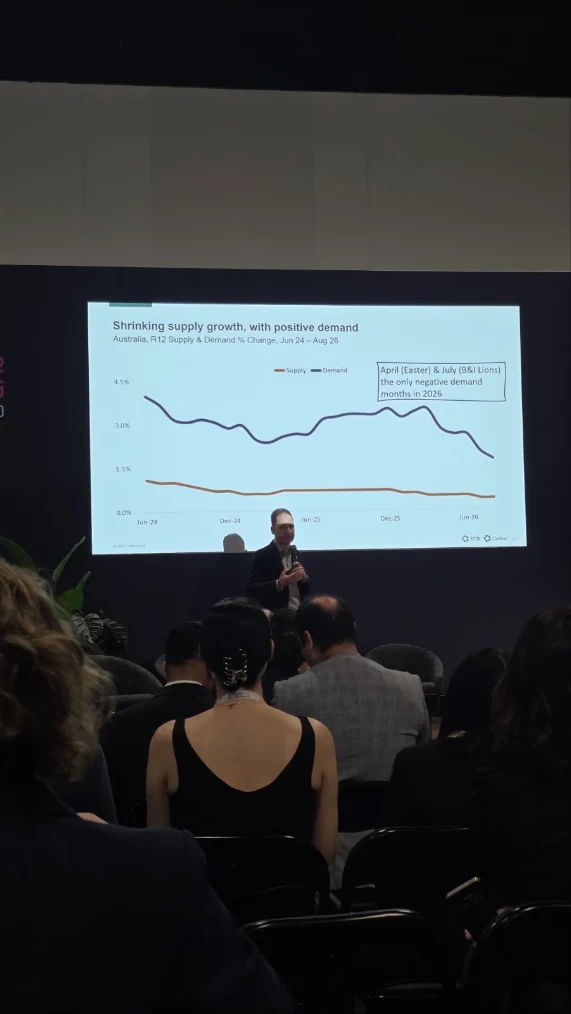
The clearest message from STR’s 2027 performance and pipeline outlook, presented by Matthew Burke, was that ADR is driving growth while occupancy stays broadly flat.
A few numbers from the session:
- Sydney’s luxury gap is widening. Luxury and upper upscale ADR now sits about $156 a night above the upscale and upper midscale tier, up from $111 in 2019.
- Australian luxury is growing on rate. Luxury RevPAR is up around 40% on 2019, almost entirely from ADR, with occupancy slightly down.
- Business-led regional markets follow the same pattern. Across the selected markets, occupancy rose 1.2% year to date while ADR rose 2.6%.
- Sydney Saturdays are nearly full. Saturday occupancy sits at 86.9%, which means the room to grow is midweek, not on the weekend.
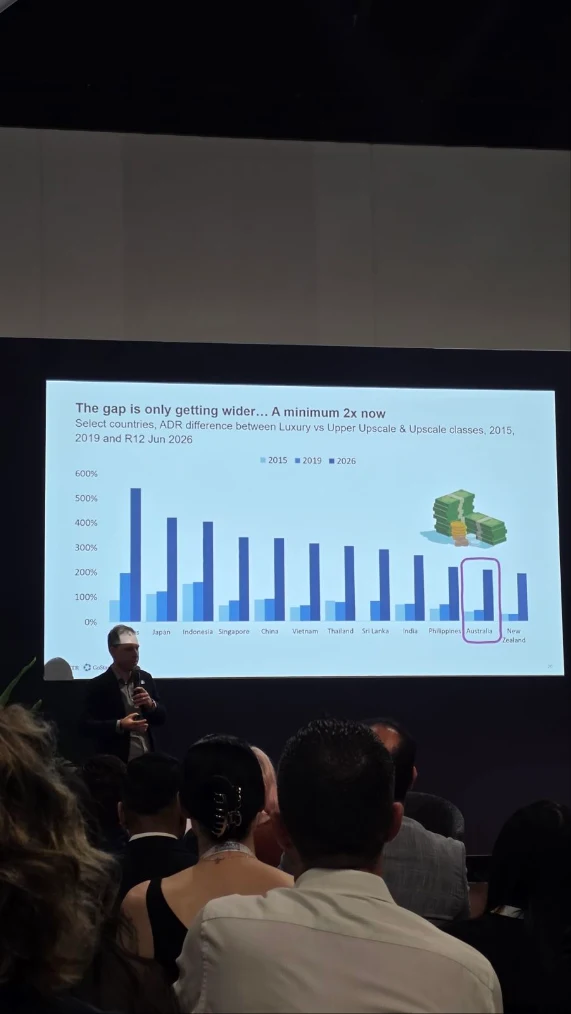
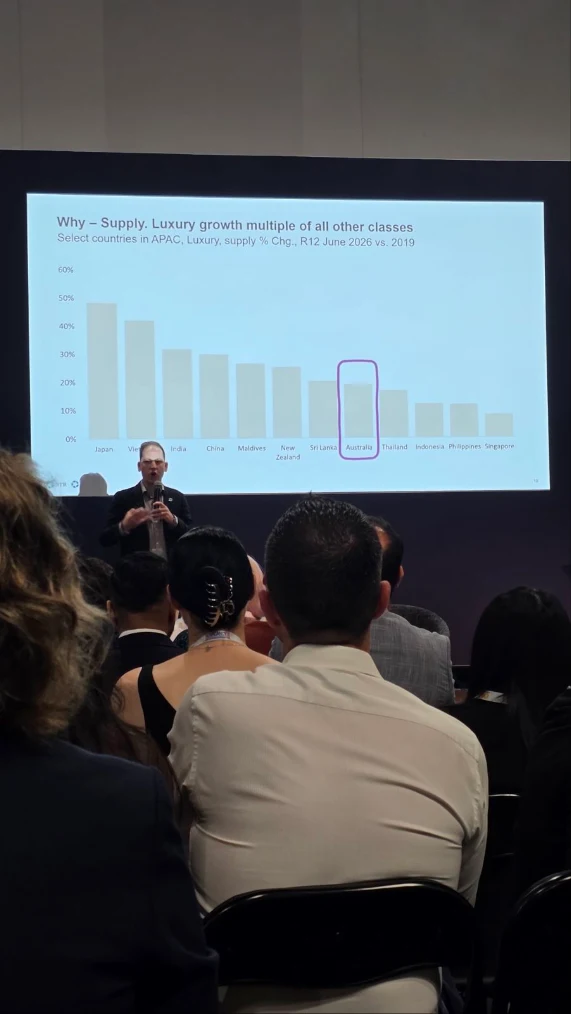
For operators, that shifts the focus from filling rooms to pricing them well, and from volume to the quality of each booking.
Events move the needle more than anything else
The STR data made it clear that events drive the biggest swings in rate. Brisbane’s rolling ADR showed sharp spikes around major events, and last year’s British & Irish Lions tour was called out as the kind of event that creates a spike most hotels only see a few times a year.
AFL Gather Round in Adelaide is the standout case. Since it began, the four-day period has added $115 to ADR and $108 to RevPAR.
The practical lesson: hotels that track the event calendar early, and price and market against it, capture the upside. Hotels that react on the week leave money on the table.
AI in revenue management: useful, not new
AI came up across several sessions, including the Revenue + Distribution Summit panel “AI in revenue management: What’s useful and what’s just hype”, moderated by Rhys Dunn of Swissôtel Sydney, and the Hotel Leaders Summit session on practical AI tools and tactics.
The most grounded point was that AI isn’t new to revenue management. Pricing tools have used machine learning for years. What has changed is transparency. Revenue managers can now ask the system why it set a rate at a particular level, get a plain-English rationale, and challenge it.
That matters because a price nobody understands is a price nobody trusts. When the reasoning is visible, the revenue manager stays in control and the tool becomes a colleague rather than a black box.
What this means for hotels
Put the two themes together and a clear picture forms.
Rate is doing the heavy lifting, events are the biggest lever, and AI is most valuable when it explains its thinking. At the same time, most hotels now run eight to fifteen separate systems, bought one at a time, with staff re-keying data between them.
The next gains won’t come from buying another tool. They’ll come from getting the tools a hotel already owns to work together:
- Cutting overlap between systems that do the same job, such as a PMS messaging module and a separate guest messaging app.
- Handling group and function enquiries faster, since these are often the highest-value leads and still arrive by email.
- Automating owner and GM reporting that currently takes hours to build from four or five sources.
- Building the event calendar into pricing and marketing well before demand arrives.
Using AI that explains itself, so staff can check and trust what it recommends.
Our take
NoVacancy showed an industry in good shape, with rate growth, a strong pipeline of new rooms, and plenty of genuine innovation on the floor. It also showed how fragmented the average hotel’s technology has become.
At Nimbull, our AI and automation audits map exactly that: which systems a hotel runs, where they overlap, where the gaps are, and where time and commission are being lost. If that sounds familiar, we’d be glad to have a chat.
Charts shown are from STR / CoStar, presented at NoVacancy Sydney 2026.